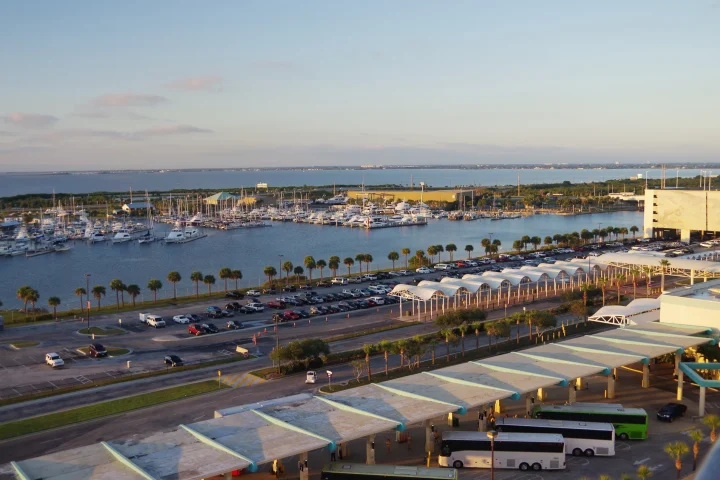
Spaceflight is central to the way many people imagine Cape Canaveral. The real geography is more useful than the shorthand. Cape Canaveral Space Force Station and Kennedy Space Center sit in the same wider region, but they are separate facilities. The city of Cape Canaveral is another distinct place, with its own neighborhoods and public waterfront spaces.
Knowing the difference helps you choose the right tickets, follow the right directions and understand the photographs you see. It also makes the history more interesting: the area developed through different programs, organizations and sites rather than one single launch complex.
A place name can mean several things
The geographic cape, the station, the city and the Kennedy visitor destination are often mentioned together in casual travel writing. NASA’s history of the Launch Operations Center places that center on Merritt Island in 1962. Earlier space-program activity used facilities at what is now Cape Canaveral Space Force Station. Keep that distinction in mind when reading an article or selecting a tour.
| Place | Useful distinction | Planning implication |
|---|---|---|
| Cape Canaveral city | The beach city and community beside the port | Check the address of each public stop. |
| Cape Canaveral Space Force Station | A separate spaceflight facility on the cape | Do not assume unrestricted visitor access. |
| Kennedy Space Center | NASA center on Merritt Island | Use the correct visitor information and entrance. |
Make history the dependable part of the visit
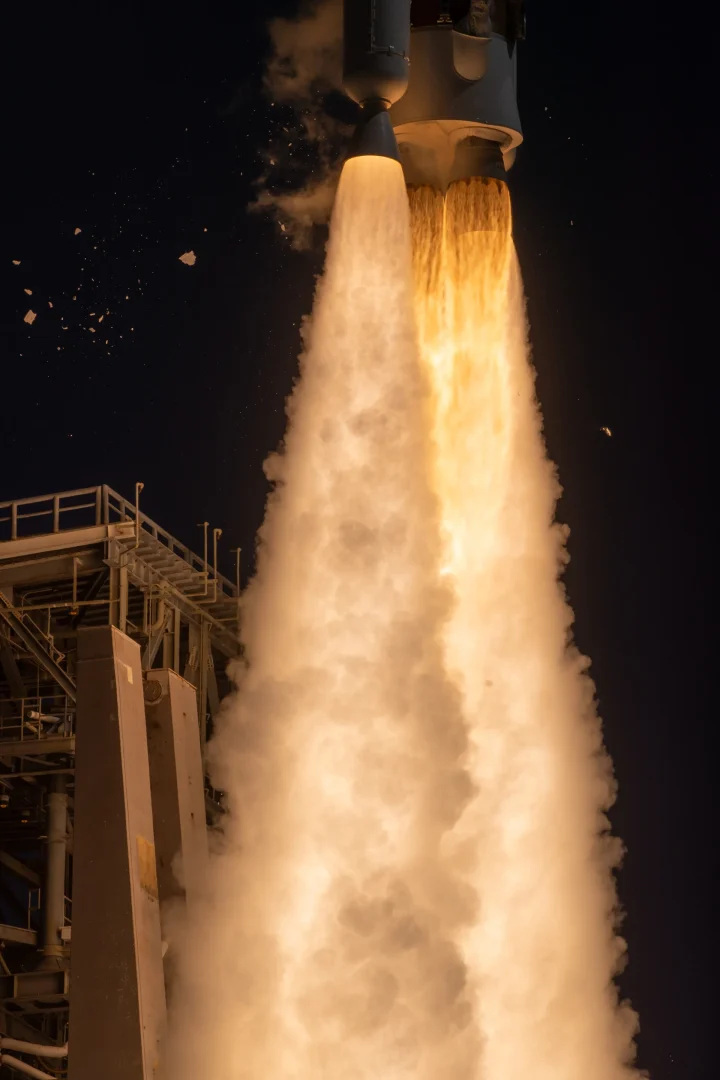
A launch can be memorable, but it is not a dependable clock for a holiday. Schedules, access and viewing conditions can change. Plan the visit around the parts you can confirm through current official information, then treat a possible launch as an additional opportunity rather than a guaranteed centerpiece.
Read what an experience includes. A general space-history excursion, a visitor-complex admission and a launch-viewing arrangement can be very different products. Compare the location, transport, entry conditions and cancellation terms. A photograph of a rocket does not by itself tell you what a ticket provides.
Look beyond the launch image
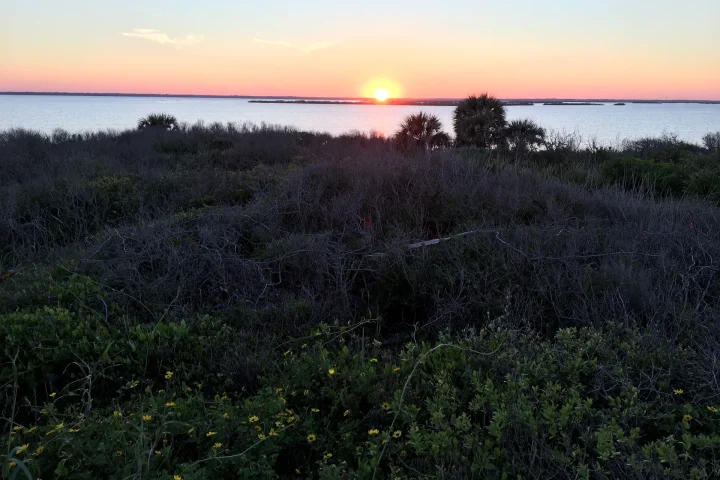
The engineering story sits beside an extensive natural landscape. NASA’s Kennedy environmental information describes protected land and lagoon waters associated with the center. This wider setting is part of what makes the region distinctive. Respect closures and boundaries; a landscape that looks open in an aerial photograph may not be accessible to visitors.
Maritime history offers another point of view. Cape Canaveral Lighthouse is a separate historic landmark on the station property. Its striped form connects the coast to navigation long before modern spaceflight. Use current authorized visitor information if it is part of your plans; do not interpret its presence on a map as permission to arrive independently.
Build a clear, flexible plan
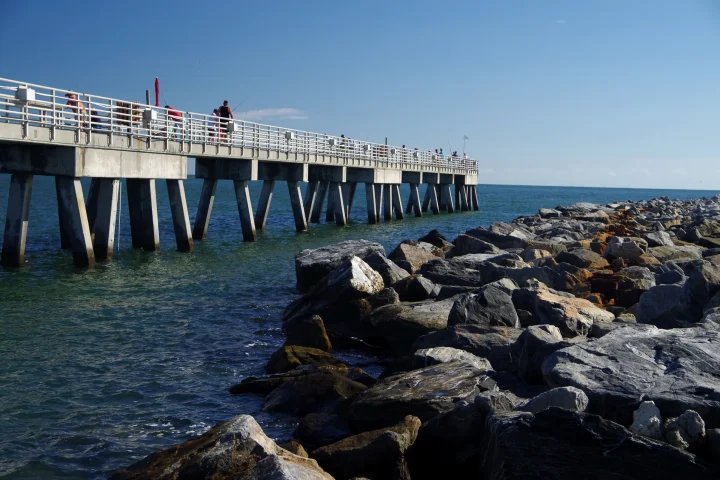
Choose the part of the story that interests you most, confirm the location and entry details, and allow enough time for travel. Keep an alternative coastal stop in mind. Families may find that one focused visit followed by a simple waterfront break is more satisfying than trying to cover every space-related name in a day.
Continue with the first-visit guide and current experience options. The factual starting sources are NASA’s Launch Operations Center history, Kennedy natural resources and the Florida Historical Society lighthouse record.